October 8, 2026
Managing monthly household expenses requires a strategic approach to energy consumption, especially during extreme seasonal weather when heating and cooling systems run continuously. Many homeowners watch their monthly energy costs rise without realizing that neglected climate control equipment is the primary culprit behind bloated utility statements. When heating and cooling machinery operates without regular attention, internal components accumulate grime, lose alignment, and consume significantly more power to achieve basic temperature goals. Scheduling routine professional care transforms an inefficient, struggling system into an economical household asset that delivers consistent indoor comfort. Understanding the direct relationship between mechanical cleanliness and electrical consumption empowers property owners to make smart choices for their living spaces. Routine inspections eliminate hidden energy waste, protect delicate mechanical parts, and ensure that every watt of electricity is utilized effectively. By prioritizing timely system care, households can maintain a pleasant indoor environment while keeping monthly energy expenses manageable throughout the entire year.
Optimizing System Airflow
Restricted airflow represents a primary cause of excessive energy consumption in residential heating and cooling systems. When dust, pollen, and pet dander build up on air filters and interior ductwork, the system blower motor must work significantly harder to push conditioned air through the home. This added resistance forces the motor to draw far more electrical current, dramatically increasing power consumption during routine operation. Cleaning air passages and replacing dirty filters restores unrestricted circulation, allowing treated air to move freely throughout every room. With proper air movement restored, the machinery satisfies thermostat settings much faster and cycles off promptly, preventing unnecessary energy draw.
A comprehensive inspection also addresses internal air distribution components that frequently gather debris over time. Evaporator and condenser coils require spotless surfaces to transfer thermal energy effectively between indoor spaces and the outside atmosphere. When dirt coats these vital heat exchangers, the system operates longer cycles to reach desired temperatures, wasting considerable electricity in the process. Professional technicians clean these sensitive surfaces thoroughly during a routine HVAC service visit, restoring peak thermal conductivity. Ensuring seamless thermal exchange allows the machinery to cool or heat living spaces efficiently, keeping energy consumption low and monthly utility costs under control.
Restoring System Electricity
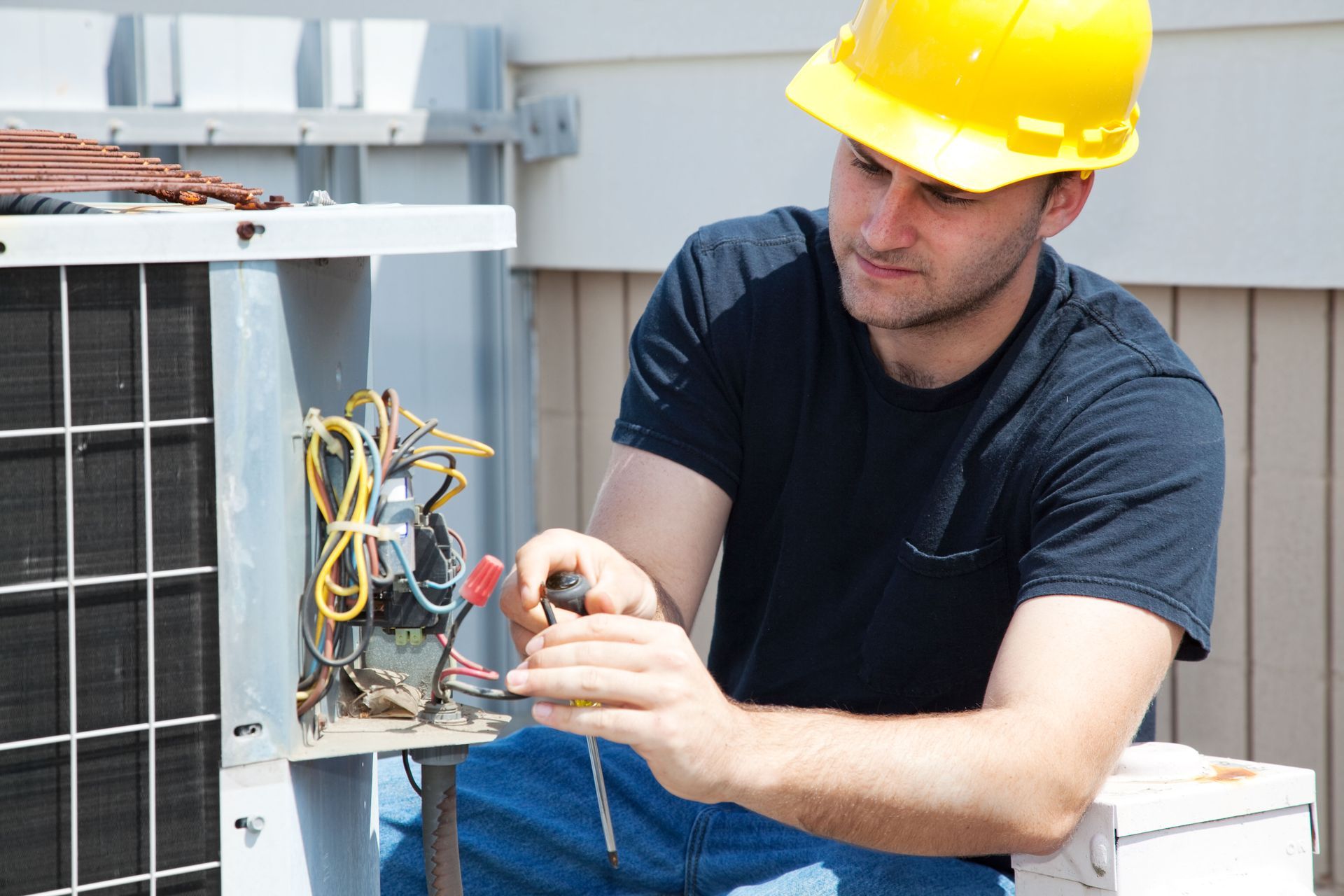
Electrical components within climate control machinery experience gradual degradation through continuous seasonal use. Loose wiring connections, failing capacitors, and worn contactors cause voltage fluctuations that force motors to draw excessive amperage during startup and continuous operation. Electrical resistance generates wasted heat within internal circuits, converting expensive power into useless thermal energy rather than productive cooling or heating output. System tune-ups include testing voltage levels, tightening terminal connections, and evaluating electrical resistance across all primary circuits. Correcting minor electrical anomalies eliminates power spikes and ensures safe, energy-efficient machinery operation.
Power consumption is particularly heavy during system startup when motors overcome stationary inertia to begin spinning. Weak capacitors or dirty electrical contacts amplify this initial power surge, causing frequent voltage drops and increased energy consumption every time the unit cycles on. Addressing these electrical vulnerabilities during scheduled maintenance keeps power draw stable and predictable. Scheduling a professional HVAC service ensures that every electrical pathway operates smoothly, preventing unnecessary power surges that drive up utility costs. Protecting these delicate electrical networks safeguards the entire system against unexpected power failures while optimizing daily energy utilization.
Calibrating System Controls
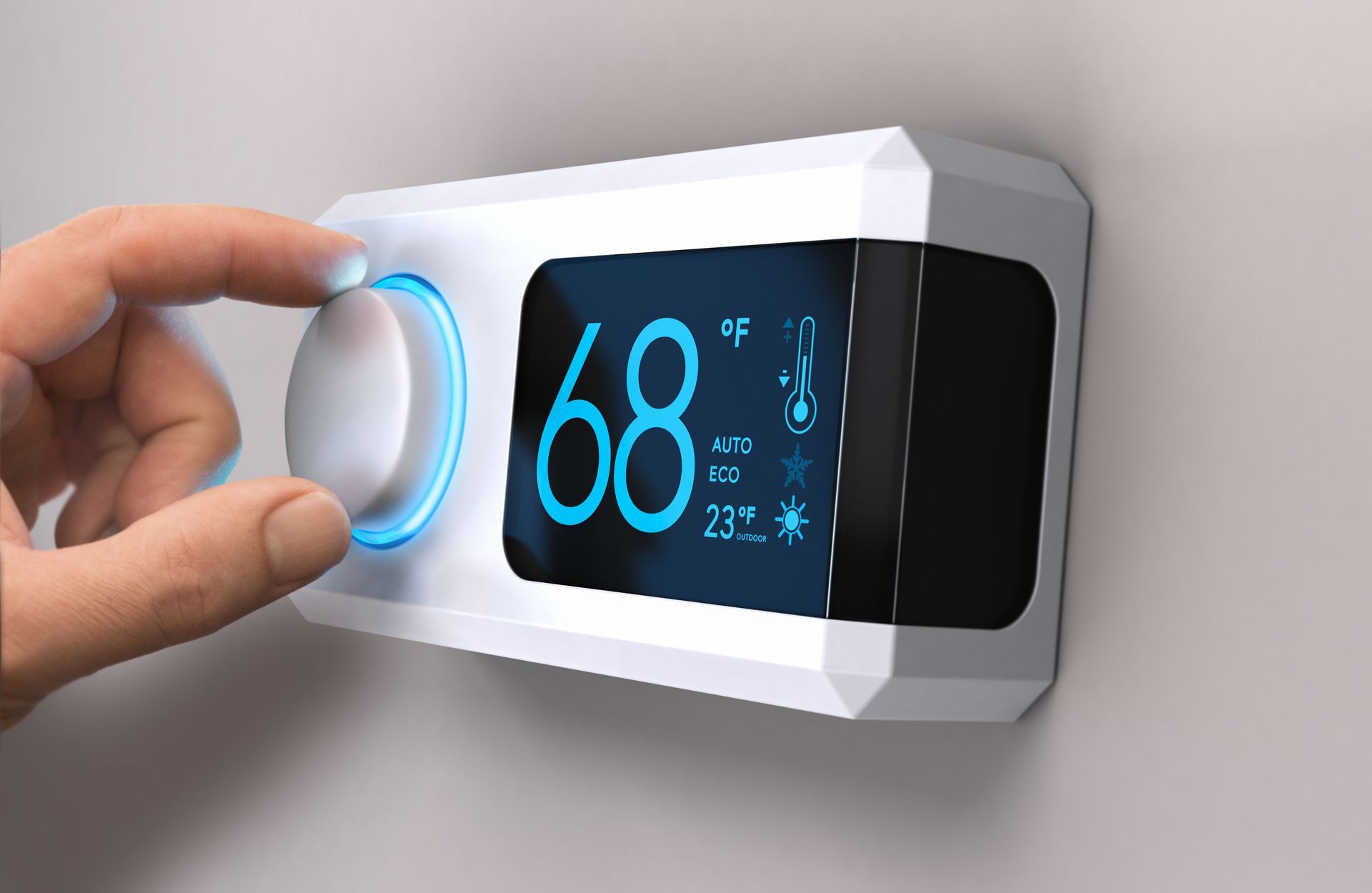
Accurate temperature sensing is essential for maintaining efficient operation and preventing unnecessary power consumption. Over time, internal thermostat sensors can lose calibration, causing the system to misread actual indoor temperatures. A sensor that reads indoor air as warmer or cooler than it actually is will force machinery to run longer than necessary, wasting valuable energy. Calibrating control mechanisms guarantees that heating and cooling cycles match exact household requirements. Ensuring accurate communication between controls and mechanical hardware prevents prolonged cycling, reducing energy usage without sacrificing personal comfort.
Properly adjusted controls also prevent short cycling, a condition where the system turns on and off rapidly without completing a full operational cycle. Short cycling causes extreme wear on compressor motors and consumes excessive power during repeated startup phases. Adjusting control parameters during a routine HVAC service restores smooth, steady operating cycles that maximize energy efficiency. Eliminating erratic cycling helps maintain consistent indoor temperatures while minimizing electrical draw. Well-calibrated controls ensure that every operational cycle delivers optimal comfort for the exact amount of energy consumed.
Preventing System Strain
Mechanical friction within moving parts creates silent resistance that forces climate systems to consume extra power. Blower motors, fan bearings, and compressor pistons require proper lubrication to move smoothly without excessive drag. Without adequate lubrication, mechanical resistance increases power consumption and accelerates component wear, leading to premature mechanical failure. Applying precise lubricants to moving parts during a standard HVAC service reduces internal friction, allowing motors to spin freely with minimal electrical resistance. Lowering mechanical resistance directly translates to reduced energy consumption and lower monthly power bills.
Heating and cooling demands make up a major portion of domestic power consumption across the country. According to This Old House, the EIA reports that Space heating and air conditioning together accounted for about 52% of the average American household’s annual energy use in 2020. Because climate control represents such a massive share of total energy expenditure, even small improvements in mechanical efficiency yield substantial financial savings over time. Eliminating operational strain keeps internal components operating at peak efficiency, preventing energy waste across both summer and winter seasons. Protecting machinery from excessive strain keeps utility costs low while extending overall equipment lifespan.
Preserving System Integrity
Small mechanical flaws often remain hidden within heating and cooling equipment until they cause major operational disruptions. A minor refrigerant leak, a misaligned fan belt, or a clogged condensate drain line might not cause immediate system failure, but each flaw forces the unit to work harder to compensate. Overworking compromised machinery leads to severe energy loss as the system struggles against internal inefficiencies. Regular professional evaluations identify minor wear before performance degrades. Arranging an annual HVAC service addresses subtle flaws promptly, preserving system integrity and maintaining peak energy efficiency throughout the year.
Maintaining structural and operational integrity also protects home plumbing and duct systems from secondary damage. Clean drain lines prevent water overflow that could damage surrounding building materials or create excess humidity inside living spaces. High indoor humidity forces cooling systems to work longer to remove airborne moisture, increasing electrical consumption significantly. Comprehensive care maintains proper humidity control and optimal airflow balance across the entire structure. Investing in an expert HVAC service protects equipment reliability, maintains pristine indoor conditions, and ensures your utility expenses remain predictably low month after month.
Taking a proactive stance toward home climate care serves as a highly effective strategy for reducing monthly utility expenses. Routine maintenance eliminates hidden energy leaks, corrects electrical resistance, restores unrestricted airflow, and optimizes overall system performance. Rather than allowing neglected machinery to consume excessive power, property owners who invest in regular tune-ups enjoy reliable comfort and substantially lower energy bills. Protecting your equipment from operational strain extends its operational lifespan while safeguarding your household budget from unexpected spikes in energy costs. Lowering utility bills begins with keeping your climate control equipment in prime working condition through every season of the year. If you are ready to lower your monthly power bills and enhance indoor comfort, please give us a call and book your next appointment with our friendly team at SoDak HVAC.